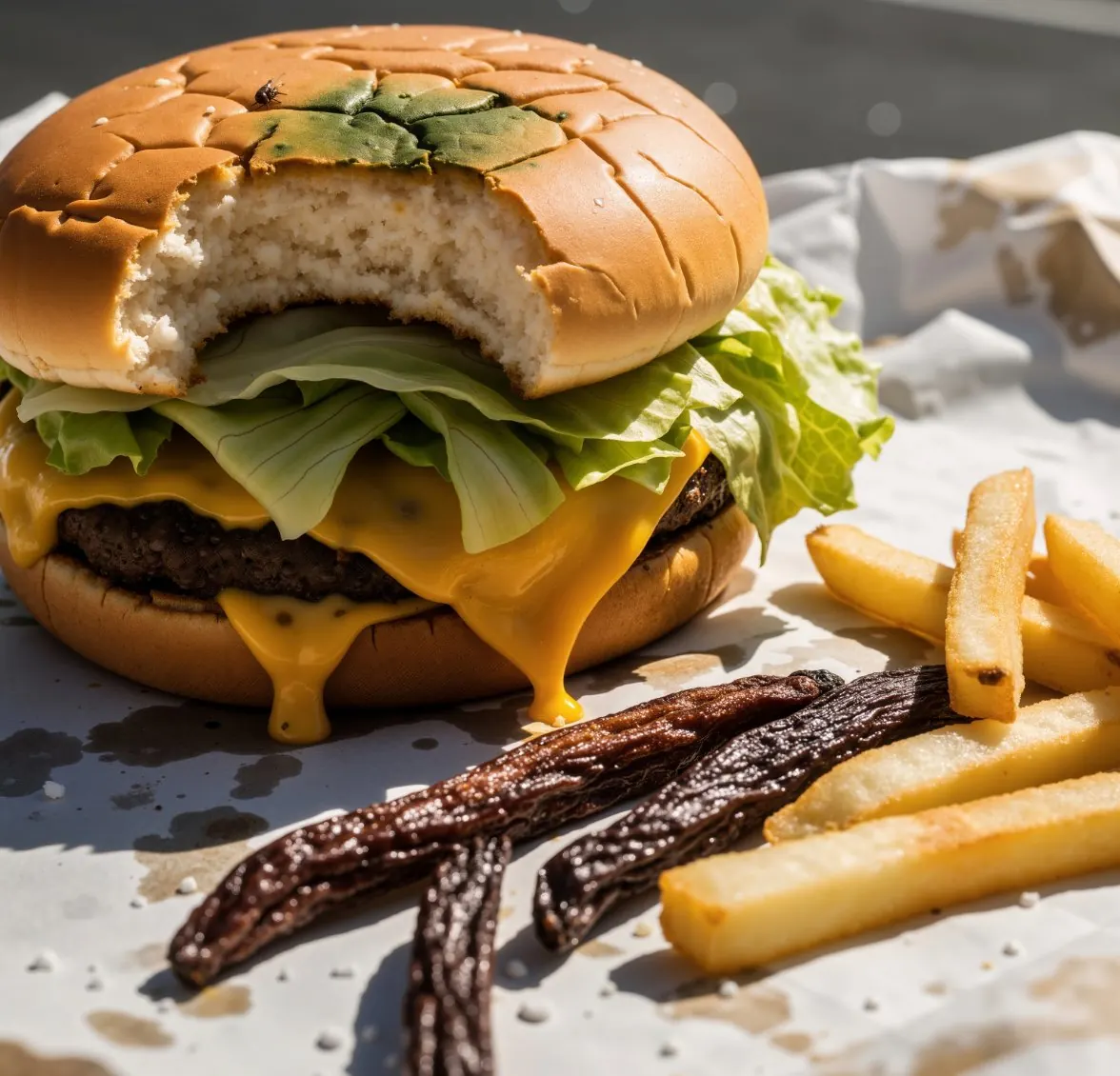
Developing stomach pain, vomiting, diarrhea, or fever after eating at a restaurant does not necessarily prove that the restaurant caused the illness.
Foodborne illnesses can have different incubation periods. Some produce symptoms within hours, while others may not cause symptoms for several days or longer. The last meal a person ate is therefore not always the meal that caused the illness.
A successful food poisoning claim requires evidence connecting the illness to a particular food and identifying the restaurant, retailer, caterer, manufacturer, distributor, or other business responsible for placing that food into the consumer's hands.
Seek Medical Care and Ask About Testing
Medical care is important for both your health and the documentation of a possible claim.
According to the Centers for Disease Control and Prevention, common symptoms of food poisoning include:
Diarrhea
Stomach pain or cramping
Nausea
Vomiting
Fever
The CDC recommends seeking medical help for severe symptoms such as bloody diarrhea, diarrhea lasting more than three days, a high fever, frequent vomiting that prevents you from keeping liquids down, or signs of dehydration.
Tell your healthcare provider what you ate and when your symptoms began. Depending on your condition, the provider may order a stool, blood, or other laboratory test.
Laboratory testing may help identify the germ involved, such as Salmonella, E. coli, Campylobacter, Listeria, or another pathogen. Without testing, it may be more difficult to distinguish a foodborne illness from an unrelated stomach virus or another medical condition.
Write Down Everything You Recently Ate
Do not document only your final meal before the symptoms began.
The CDC recommends noting what you ate and what you did during the week before becoming ill. Some pathogens can take several days or longer to produce symptoms.
Create a timeline that includes:
Restaurants visited
Takeout and delivery orders
Grocery purchases
Catered meals
Work or school events
Leftovers
Drinks and ice
Food consumed while traveling
The date and approximate time of each meal
Also record when each symptom began and how it developed.
This timeline can help medical providers, public-health investigators, and lawyers compare the incubation period of the identified pathogen with the suspected food exposure.
Keep Receipts, Labels, and Order Records
Save anything that shows what you purchased and where it came from.
Useful records may include:
Restaurant receipts
Credit-card or bank statements
Delivery-app receipts
Online order confirmations
Grocery receipts
Photographs of the meal
Product packaging
Ingredient labels
Lot or batch numbers
Expiration dates
Messages exchanged with the restaurant
The CDC specifically recommends keeping food receipts and labels when food poisoning is suspected. These materials may help investigators trace a contaminated item through the distribution system.
Do not discard leftover food or packaging without first obtaining guidance. Keep the suspected food sealed and separated from other food, and do not consume it again.
Testing and handling procedures should be coordinated carefully to avoid contaminating or compromising the sample.
Find Out Whether Other People Became Ill
A food poisoning claim may become stronger when several people who consumed the same item develop similar symptoms.
Speak with others who attended the meal or event and document:
What each person ate
Whether they became sick
When their symptoms began
Whether they received medical treatment
Whether laboratory testing was performed
Whether they reported the illness
Two or more people becoming ill after consuming the same contaminated food may also lead public-health officials to investigate a possible outbreak.
However, the fact that one person remained healthy does not automatically disprove the claim. People may eat different portions, consume different ingredients, or respond differently to the same pathogen.
Report the Illness to the Health Department
The New Jersey Department of Health directs complaints involving suspected restaurant food poisoning to the local health department where the food was sold.
Reporting the illness may help officials identify other cases connected to the same restaurant, product, or supplier.
Public-health investigators may examine:
Food-storage temperatures
Employee hygiene
Cross-contamination
Cooking procedures
Refrigeration
Cleaning practices
Sick-employee policies
Product sourcing
Inspection history
Similar illness reports
An inspection violation does not automatically prove that a particular meal caused an illness. However, health-department findings may become important when considered with medical testing, receipts, witness information, and outbreak data.
What Must Be Proven Legally?
Food poisoning cases usually turn on causation.
The evidence must connect the food supplied by the defendant to the illness and resulting losses. It is generally not enough to show only that the person ate at a restaurant and later felt sick.
Depending on the facts, a New Jersey contaminated-food claim may involve:
Product liability
Negligence
Breach of an implied warranty
Claims against more than one company in the supply chain
New Jersey's commercial law specifically states that serving food or drink for value, whether consumed on the premises or elsewhere, is considered a sale for purposes of the implied warranty of merchantability.
A product-liability theory may also be considered when a food product was not reasonably fit, suitable, or safe for its intended purpose. The correct theory depends on who prepared, manufactured, distributed, or sold the food and how the contamination occurred.
Document the Effect of the Illness
Keep records of:
Emergency-room treatment
Hospitalization
Laboratory testing
Medication
Follow-up appointments
Missed work
Lost income
Travel expenses
Out-of-pocket medical costs
Continuing symptoms or complications
Some foodborne illnesses resolve quickly. Others can cause hospitalization, kidney damage, neurological complications, pregnancy complications, or long-term digestive problems.
The seriousness and duration of the illness are important when evaluating whether a legal claim is practical and what damages may be involved.
Talk With a New Jersey Food Poisoning Lawyer
A food poisoning claim requires more than suspicion. Medical testing, food records, receipts, health-department reports, witness information, and supply-chain evidence may all be needed to identify the source.
Pinnacle Injury Law can review the medical and factual evidence and investigate whether a restaurant, retailer, caterer, distributor, manufacturer, or another party may be responsible.
Case reviews are free, and there is no fee unless we win.
Sources and Resource Links
- Pinnacle Injury Law: New Jersey Food Poisoning Lawyers
- CDC: What to Do if You Think You Have Food Poisoning
- CDC: Food Poisoning Symptoms
- New Jersey Department of Health: Foodborne Illness
- New Jersey Department of Health: Reporting a Food Complaint
- New Jersey Statute 12A:2-314: Implied Warranty of Merchantability
- New Jersey Statute 2A:58C-2: Product Liability
This article provides general information about New Jersey food poisoning claims and is not legal advice. Every case depends on its medical evidence, legal theory, and individual facts.