Excessive Force
Under the Fourth Amendment, officers must use "objectively reasonable" force. If an officer uses physical violence, Tasers, or firearms when there is no immediate threat, it constitutes a civil rights violation.
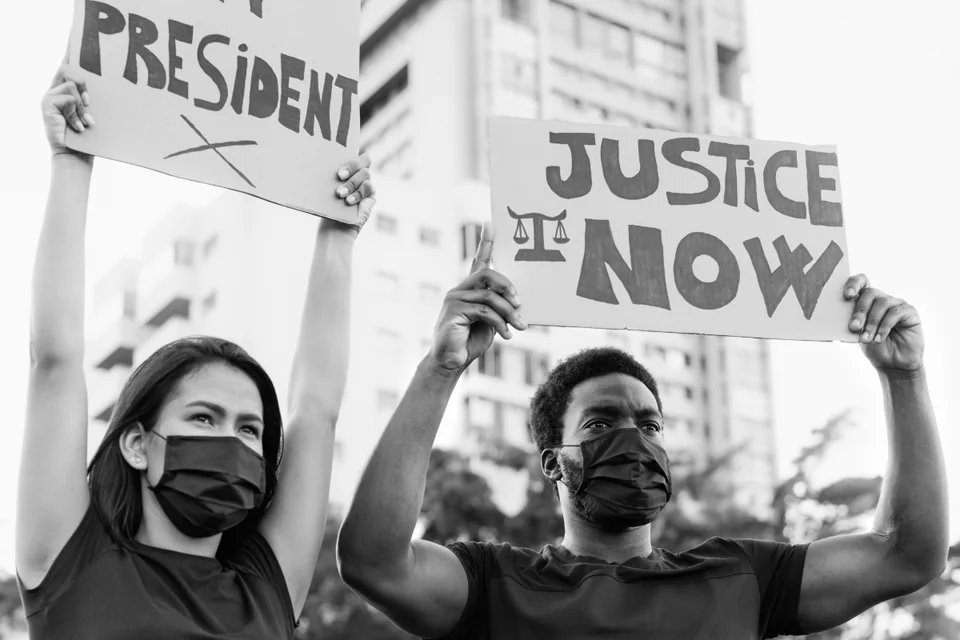
At Pinnacle Injury Law, we believe that your constitutional rights are not just words on a page—they are the bedrock of your freedom. When a government entity, law enforcement officer, or private corporation oversteps their authority and tramples on those rights, the impact is more than just legal; it's personal. It's an affront to your dignity.
As a dedicated plaintiff-based firm, we don't represent the powerful; we hold them accountable. If you have been the victim of police misconduct, unlawful discrimination, or a violation of your due process, you deserve a legal team that possesses the tenacity to take on the system and the empathy to guide you through the trauma. At Pinnacle, we don't just file lawsuits—we fight to restore the balance of power. If you would like to speak to you of our attorneys about your options, please contact us directly at 1 (800) 434-3799. One of our attorneys is standing by help assist in anyway possible. We appear in Courts throughout New Jersey, including counties like Monmouth, Somerset, Hudson, Middlesex, Ocean and Bergen.
Civil rights law is the legal framework that protects individuals from unfair treatment and guarantees certain fundamental freedoms. For a plaintiff, these cases are often brought under Section 1983 of the Civil Rights Act, which allows individuals to sue government actors for constitutional violations.
One of the most common and harrowing areas of civil rights law involves the abuse of power by law enforcement. While officers have a difficult job, they are not above the law.
Under the Fourth Amendment, officers must use "objectively reasonable" force. If an officer uses physical violence, Tasers, or firearms when there is no immediate threat, it constitutes a civil rights violation.
You cannot be detained without "probable cause." If you were arrested based on fabricated evidence or without legal justification, your Fourth Amendment rights were breached.
This occurs when an official initiates a criminal proceeding without probable cause and with malice, resulting in a deprivation of liberty.
Every American has the right to work in an environment free from prejudice. Federal laws like Title VII of the Civil Rights Act of 1964, the ADA, and the ADEA protect employees from discrimination based on:
Race, color, religion, sex (including pregnancy and sexual orientation), national origin, age (40 or older), and disability.
It is illegal for an employer to fire or demote you simply because you reported harassment or participated in a discrimination investigation.
When pervasive harassment makes it impossible to perform your job, the law provides a path for recovery.
Incarcerated individuals do not lose their constitutional rights at the prison gates. The Eighth Amendment protects against "cruel and unusual punishment."
This occurs when prison officials ignore a substantial risk of serious harm, such as denying necessary medical care or failing to protect an inmate from known violence.
Overcrowding, lack of sanitation, or extreme temperatures can rise to the level of a civil rights claim if the state fails to provide basic human necessities.
The First Amendment is the cornerstone of a free society. Pinnacle Injury Firm represents plaintiffs whose voices have been silenced by government overreach.
If a government agency terminates your contract or denies you a permit because of your political views or public criticism, they have violated the law.
While "time, place, and manner" restrictions exist, the government cannot prevent a protest simply because they disagree with the message.
Civil rights cases are notoriously complex because of a doctrine known as Qualified Immunity. This often protects government officials from liability unless their conduct violated "clearly established" statutory or constitutional rights.
To succeed as a plaintiff, we must demonstrate:
Proof that a specific constitutional or federal right was infringed.
That the defendant was acting in an official capacity (for government-related claims).
A direct link between the defendant's actions and the injuries you sustained.
In a successful civil rights lawsuit, the law allows for various forms of compensation. They are as follows:
Coverage for medical bills, lost wages, and out-of-pocket expenses.
Compensation for emotional distress, trauma, and loss of enjoyment of life.
Awarded to punish the defendant for especially egregious or malicious conduct.
Under 42 U.S.C. § 1988, a prevailing plaintiff may have their legal fees paid by the defendant.
Taking on a city, a police department, or a massive corporation is daunting. They have unlimited resources; you have us. We specialize in investigative discovery, locating body-cam footage, interviewing witnesses, and hiring expert analysts to rebuild the scene of the violation. At Pinnacle Injury Law, we provide the edge you need to win. We operate on a contingency fee basis, meaning you pay nothing unless we secure a settlement or verdict for you.
Contact Pinnacle Injury Firm today for a confidential consultation. Stand up for your rights. We'll stand with you.
Explore connected practice areas, firm pages, and New Jersey locations.
If you are dealing with the aftermath described on this page, Pinnacle Injury Law can review what happened, what evidence may matter, and what next steps may be available.